Why 2026 Retail Acquisition Private Label Quality Will Make or Break Your Grocery Bill
The checkout lane doesn’t lie. As Retail Dive flagged in their “What to watch in retail in 2026” forecast, we’re entering a year where massive retail acquisitions are reshaping store shelves faster than most shoppers realize. When a regional grocer or private equity firm buys a chain, the first thing that changes isn’t the sign out front—it’s what’s happening behind the scenes with the products carrying the store’s own name.
2026 retail acquisition private label quality has become the make-or-break factor that determines whether your “smart” store-brand swap actually saves money or quietly costs you more through watered-down ingredients, smaller package sizes, or inconsistent supply. This isn’t theoretical. CastlePierce’s acquisition of Quality Assured Label and similar deals across the labeling and packaging sector signal that private label supply chains are being redrawn in real time. For the average cart-pusher, that means the pasta sauce you trusted last March might be a different product by September—even with identical packaging.
Here’s what changed, why it matters more than brand-name comparisons, and how to shop these transitions without getting burned.
The Acquisition Playbook: Why Buyers Immediately Target Private Labels
Private label products typically generate 20-30% higher margins than national brands for retailers. When acquisition groups like private equity firms or regional consolidators purchase a grocery chain, they don’t just inherit shelves—they inherit a profit engine that can be “optimized” overnight.
The standard post-acquisition playbook follows a predictable pattern:
- Supplier consolidation: New owners negotiate aggressively with co-packers, often switching to cheaper manufacturers who can hit volume targets
- Ingredient reformulation: Subtle swaps—palm oil for butter powder, reduced active ingredients in cleaning products, thinner paper goods
- Packaging shrinkflation: Maintaining price points while trimming net weight, sometimes masked by “new look!” redesigns
The danger for shoppers? These changes rarely trigger the same consumer scrutiny as national brand shifts. There’s no Twitter mob watching your regional supermarket’s “Essential Everyday” crackers. The trust gap works in the acquirer’s favor.
Red flag timeline: Quality drops typically surface 4-7 months post-acquisition, once existing inventory clears and reformulated production runs hit shelves. Mark your calendar when you read about a deal closing.
How to Spot a Private Label in Transition (Before You Buy)
Smart shopping in 2026 requires reading packaging like a detective, not just comparing unit prices. Here are the specific checks that reveal whether an acquisition has compromised a store brand you depend on:
Scan the fine-print manufacturer code Flip to the address line. Private labels often list a “distributed by” front while the actual producer hides in small type. If that manufacturer changed from a recognizable regional co-packer to an opaque LLC or distant facility, the acquisition likely triggered a supplier switch. Cross-reference with the FDA establishment identifier search if you’re suspicious about new sourcing.
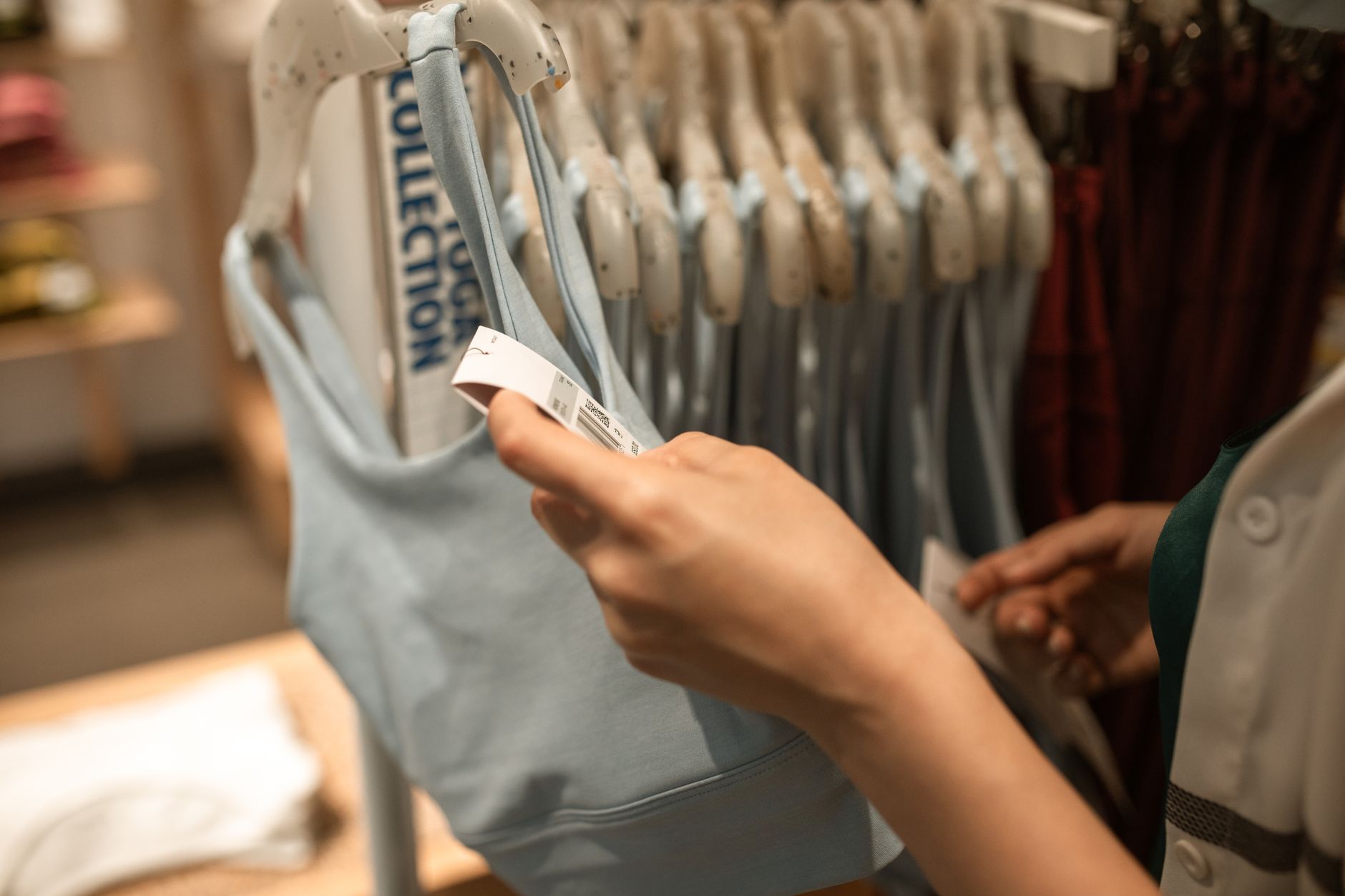
Compare net weights against your camera roll This sounds obsessive until it saves you 15% on a “same price” item. Photograph staple private labels you buy monthly—cereal, pasta, peanut butter, dish soap. When “new packaging” appears, check if the ounce count dropped. Aldi’s notorious 2022 peanut butter jar shrink (28oz to 16oz) taught veteran shoppers this habit.
Watch for “co-manufactured” language appearing Previous packaging that proudly stated “made in our bakery” or similar now reading “produced for [store name]” signals the brand no longer controls its own production. This is common post-acquisition and often precedes quality adjustments.
Trust your sensory baseline Your own pantry is the best lab. Open a new package alongside your last purchase if possible. Different texture, off-color, changed aroma—these aren’t batch variation when they coincide with ownership news. Document with photos and contact customer service; retailers track these complaints and they do influence whether cost-cutting sticks.
The Surprising Winners: When Acquisitions Actually Improve Store Brands
Not every deal degrades quality. 2026 is seeing a counter-trend that savvy shoppers can exploit: specialized acquirers with premium private label expertise.
When operators like Grocery Outlet’s acquisition targets or European hard-discount specialists enter U.S. markets, they sometimes increase private label investment to differentiate. The mechanism differs from cost-cutting PE plays:
- Ingredient upgrades to match discounter reputations for “surprisingly good” store brands
- Certification additions—organic, non-GMO, fair trade—that national brands charge premiums for
- Packaging modernization that genuinely improves shelf life, not just aesthetics
The signal to watch: Did the acquiring company issue press releases about “investing in our store brand portfolio” or appoint a dedicated private label executive? This language—actual commitment, not vague “enhancing customer value”—predicts quality maintenance or improvement.
Target’s ongoing private label evolution (Good & Gather, Favorite Day) demonstrates this intentional strategy, though as a non-acquired chain. When acquired retailers mirror this approach, the window for quality-at-value lasts roughly 12-18 months before competitive pressure or investor returns demand cuts.
Your 2026 Action Plan: Shopping Store Brands Through Ownership Chaos
The retail acquisition wave isn’t slowing. NIQ’s consumer outlook research confirms private label growth continues outpacing national brands, which only intensifies buyer interest in these profit centers. Here’s your practical framework:
Diversify your private label dependencies Don’t let more than 40% of any category (cleaning, pantry, frozen) rest on a single store brand, especially at chains with recent acquisition news. Build a rotating stable across 2-3 retailers so supplier disruptions don’t strand your household.
Set Google Alerts for your regular chains “Acquisition,” “acquired,” “sold to,” plus your primary grocer’s name. The 4-7 month quality window starts at closing, not announcement. Early awareness lets you stockpile pre-transition inventory or scout alternatives calmly.
Join store-specific Reddit communities or Facebook groups r/aldi, r/Costco, regional grocer subreddits—these communities surface reformulation chatter weeks before mainstream coverage. The “did [product] taste different lately?” posts are canaries in the coal mine.
Calculate true value, not just price A degraded private label at $2.99 that requires 20% more product usage (runny detergent, weak cleaner dilution) costs more than the $3.49 national brand you abandoned. Track performance per dollar, not just checkout total.
Conclusion: Quality Is the New Loyalty Test
The era of blindly trusting store brands ended when the acquisition spreadsheets took over. 2026 retail acquisition private label quality isn’t an industry abstraction—it’s the texture of your morning yogurt, the absorbency of your paper towels, the reliability of your dinner ingredients.
Retail Dive’s 2026 watchlist correctly identified consolidation as the defining force. What they didn’t emphasize: the consumer’s power to vote with scrutiny. Every documented complaint, every abandoned product, every social post calling out shrinkflation or reformulation shapes whether these transitions become race-to-the-bottom cost-cutting or genuine competitive improvement.
Your grocery cart is a ballot. Inspect before you vote.