The Best Time to Buy Appliances: A Month-by-Month Savings Calendar for 2026
With the Federal Reserve’s recent rate cuts finally cooling mortgage costs and sparking a modest home renovation surge in late summer 2026, appliance retailers are sitting on unexpectedly large inventories. Whirlpool and LG both reported Q2 warehouse surpluses 15% above forecasts, which means one thing for shoppers: the best time to buy appliances isn’t just November anymore—it’s a year-round chess game if you know the moves.
Major appliance purchases hit most households every 7-10 years, typically under duress when the old refrigerator dies on a Saturday night. But replace something on your own timeline, and the savings can be staggering. We’re talking $400-1,200 difference on a standard four-piece kitchen package between buying cluelessly and buying strategically. Here’s your complete playbook.
Why Appliance Pricing Follows Predictable Patterns
Unlike consumer electronics or fashion, appliance pricing operates on rigid manufacturer cycles. New models debut in predictable windows, and old stock must clear before arrivals hit showrooms. Retailers like Home Depot, Lowe’s, and Best Buy don’t advertise this openly, but their inventory systems trigger automatic discount escalations when warehouse aging thresholds hit.
The secret weapon? Model year transitions. Appliances don’t change dramatically year-to-year—a 2026 refrigerator shares 90% of its DNA with the 2025 version. But when that “new” badge appears, last year’s identical unit drops 25-35% overnight. The trick is knowing when each category refreshes.
Refrigerators and dishwashers typically turn over September-October. Washers and dryers? March-April. Ranges and cooktops see new models April-May. Mark these windows, and you’re already ahead of 90% of shoppers.
The Best Time to Buy Appliances by Category
Refrigerators & Freezers: September Through October
Back-to-school season clears way for holiday prep, and manufacturers push new refrigeration lines before Thanksgiving cooking fever hits. The 2026 LG InstaView and Samsung Bespoke refreshes are already hitting distribution centers, meaning 2025 models with identical compressors and nearly identical features are seeing 30% markdowns at regional appliance chains.
Pro tip: Floor models with negligible cosmetic scratches (often hidden on the side anyway) stack another 10-15% discount. Ask specifically for “scratch and dent” inventory—many stores segregate these in warehouse locations not visible on the sales floor.
Washers & Dryers: March Through April
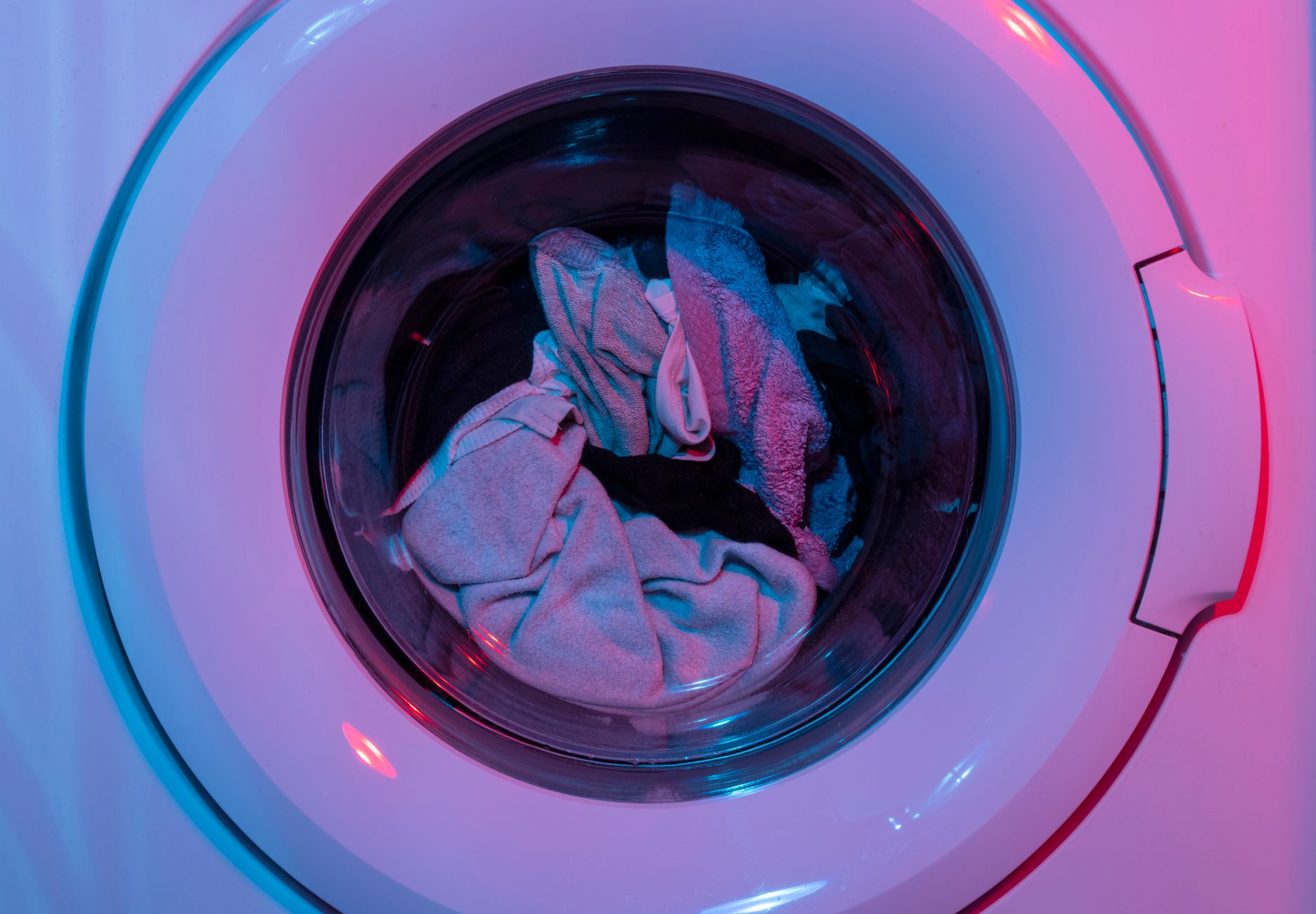
Spring cleaning isn’t just a metaphor. As manufacturers clear space for summer launches, laundry pairs see their deepest discounts. The 2026 data is particularly favorable: Electrolux and GE both delayed their spring launches by six weeks due to component supply adjustments, extending the 2025 clearance window unusually deep into April.
Front-load washer pairs that retail for $1,800-2,200 regularly hit $1,200-1,400 during this window. The savings on a single dryer are smaller, but bundle negotiations become powerful—sales associates have quarterly quotas to hit.
Ranges, Ovens & Cooktops: May and November
Two distinct peaks here. May clears pre-summer grilling and outdoor kitchen inventory while making room for fall cooking season launches. November—specifically Black Friday week—remains the single best moment for slide-in ranges and wall ovens, with 2026 projections showing 40% off premium brands like Viking and Wolf at authorized dealers.
The May angle is underutilized. Memorial Day weekend 2026 is shaping up unusually strong because retailers are desperate to move gas range inventory ahead of potential EPA efficiency regulation announcements expected in June.
Hidden Calendar Windows Most Shoppers Miss
Beyond the obvious holiday weekends, three specific periods consistently deliver outsized appliance savings:
January 2-15: Post-holiday returns flood inventory. That stainless steel refrigerator someone bought as a gift that didn’t fit? It hits the floor at 20-30% off, often with full warranty intact. Retailers hate holding January returns through slow winter months.
July 15-31: The “Christmas in July” sales events are genuine clearance opportunities, especially for over-the-range microwaves and compact appliances that underperformed in spring. 2026 has an added wrinkle: extreme heat waves in the Southwest created unexpected demand for secondary refrigerators and freezers, but northern regions saw opposite patterns. Geographic arbitrage is possible—buy in Minneapolis, ship from Denver warehouse.
Presidents’ Day weekend: Increasingly competitive as retailers stretch beyond traditional Black Friday. The 2026 calendar places this February 14-16, perfectly timed for pre-spring renovation planning.
Negotiation Tactics That Still Work in 2026
The “best time to buy appliances” isn’t just calendar-dependent—it’s technique-dependent. Despite price transparency online, in-store appliance sales retain surprising flexibility.
Lead with installation complexity. Mention you’re replacing a 30-year-old built-in refrigerator requiring cabinet modifications. Sales associates earn commission on delivery and installation upsells, and they’re authorized to discount the appliance itself to capture that backend revenue.
Request the “manager’s special” price. This isn’t mythical—it’s a legitimate override code in most POS systems, typically 8-12% additional off already-marked prices. It requires manager approval, which associates will seek if you’re purchasing multiple pieces or premium brands.
Time your visit strategically. End-of-month (25th-31st) and end-of-quarter (March, June, September, December) see accelerated deal-making. Store-level sales targets create urgency that doesn’t exist mid-month.
Stack where possible. The 2026 landscape still allows some combination plays: store credit card incentives (typically $100-300 off $2,000+), utility rebate programs for energy-efficient models, and state-level environmental incentives that refresh July 1. California’s TECH program and similar initiatives in New York, Massachusetts, and Illinois can layer $200-500 atop retail discounts.
When Waiting Costs More Than Buying
Strategic timing has limits. If your washer dies in February with three kids in the house, the $400 savings from waiting until March isn’t worth the laundromat torture and family friction. The best time to buy appliances is ultimately a balance of calendar optimization and life reality.
Similarly, supply chain volatility persists in 2026. The appliance industry still carries 2021-2022 trauma, and some manufacturers maintain intentionally lean inventories. If you see a specific model you love at 25% off during a legitimate sale window, hesitation risks stockouts that extend 6-8 weeks—potentially pushing you into worse pricing territory.
Energy efficiency standards also create urgency. The 2026 Department of Energy updates effective January 2027 will likely raise prices on baseline models by $80-150 as manufacturers adjust. Buying compliant 2026 models ahead of this transition locks in current pricing.
Your 2026 Appliance Buying Action Plan
Here’s the month-by-month snapshot to bookmark:
| Month | Best Buys | Typical Savings |
|---|---|---|
| January | Returned holiday inventory, compact appliances | 20-30% |
| February | Washers, dryers (early pre-spring) | 15-25% |
| March-April | Full laundry refresh, last year’s models | 25-35% |
| May | Ranges, outdoor kitchen gear | 20-30% |
| July | Microwaves, secondary refrigerators | 15-25% |
| September-October | Refrigerators, dishwashers | 25-40% |
| November | Everything, especially premium cooking | 30-45% |
The landscape is shifting in real-time. With mortgage rates stabilizing and housing turnover increasing, appliance demand is projected to tick upward through late 2026. That means the generous inventory surpluses of summer 2026 may not repeat. Lock in your major purchases during the identified windows, and you’ll beat both the market and the inevitable “my dryer just died” emergency premium.
The bottom line? The best time to buy appliances combines calendar awareness with category-specific timing, in-store negotiation confidence, and realistic life planning. Master all three, and that $2,500 kitchen package becomes a $1,600 victory—money that stays in your account instead of padding a retailer’s quarterly report.