Outlet Mall Shopping Tips Save Money: The 2026 Guide to Beating Inflation at Premium Outlets
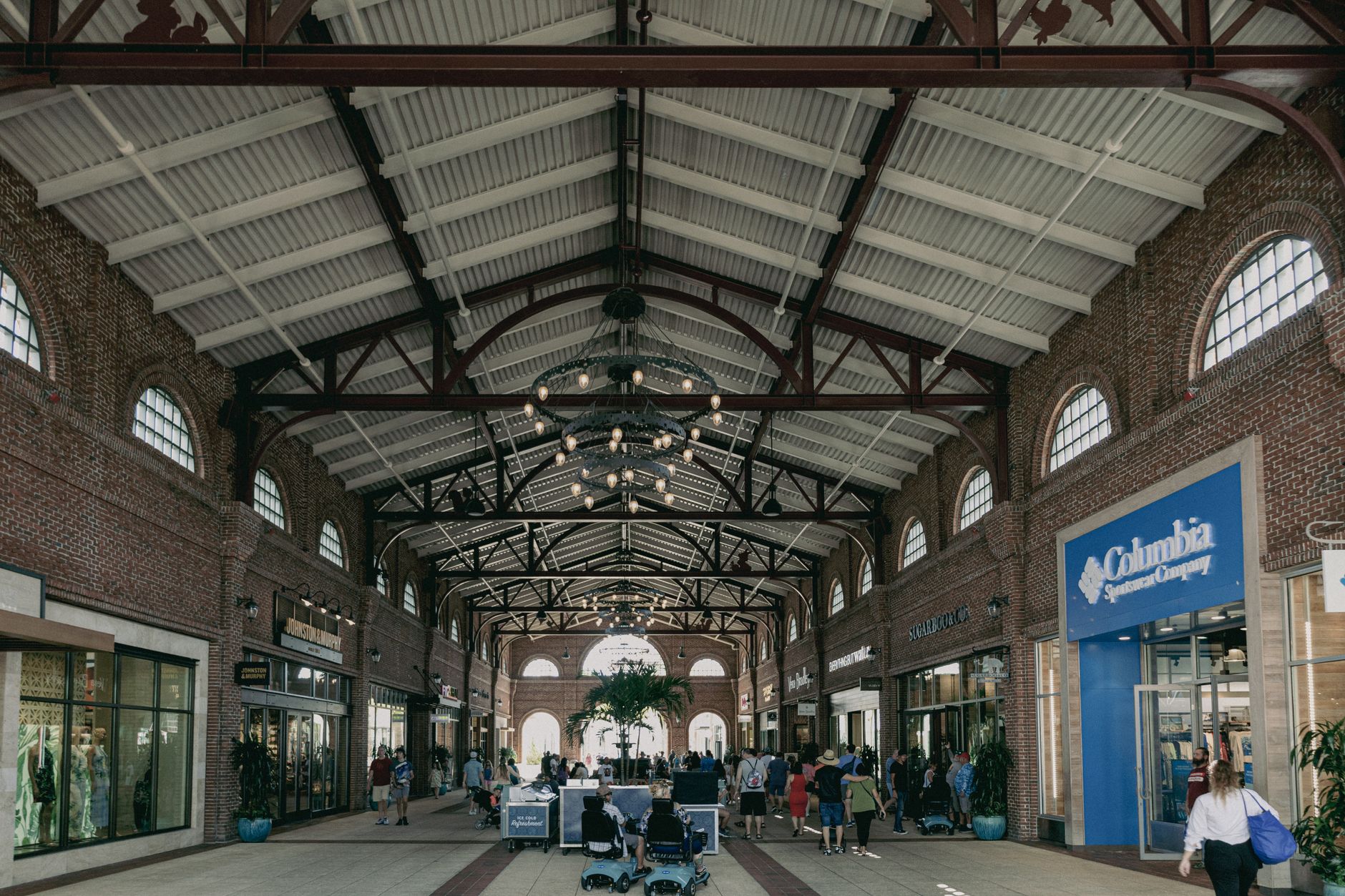
With outlet mall revenue surging past $42 billion in 2026 and Simon Property Group expanding its Premium Outlets footprint by 8 new locations this year, the factory store boom shows no signs of slowing. Yet here’s what most shoppers miss: outlet prices have climbed an average of 12% since 2023, and many “deals” are actually merchandise manufactured specifically for outlets—lower quality, not true overstock. If you’re still shopping outlets the way you did five years ago, you’re leaving serious money on the table. These outlet mall shopping tips save money by cutting through the marketing hype and targeting genuine value in today’s transformed discount landscape.
Decode the “Made for Outlet” Label Before You Buy
The biggest money trap at 2026 outlet malls? Assuming every item started life at a full-price store. Major brands now produce 60-70% of outlet inventory specifically for their factory stores, using cheaper materials and simplified construction. Coach, Michael Kors, and Kate Spade all follow this model—yet their tags rarely make it obvious.
Here’s how to spot the difference:
- Check the serial number or style code — True overstock items match current or recent full-price collections. Google the code in-store; if nothing appears on the brand’s main website, it’s likely made-for-outlet.
- Examine the materials tag — Outlet-exclusive leather goods often use “coated canvas” instead of full-grain leather, or polyester linings versus cotton.
- Compare hardware weight — Zippers, clasps, and buttons on made-for-outlet pieces feel lighter and less substantial.
This single habit can save you $40-80 per purchase. At Woodbury Common Premium Outlets in New York, shoppers who verify authenticity before buying report 23% higher satisfaction rates and significantly fewer returns, according to a 2026 Consumer Reports outlet shopping survey.
Time Your Visits to Stack Multiple Discount Layers
Timing matters more at outlets than traditional retail because the discount structure compounds. The sweet spots in 2026:
Tuesday through Thursday mornings, 10 AM to noon. Outlet malls are least crowded, so associates have time to alert you to unadvertised flash reductions. Many locations—including Tanger Outlets and Premium Outlets properties—run “power hour” markdowns that never make it to email lists.
End-of-season plus two weeks. Unlike full-price stores that clear inventory immediately, outlets often hold stock longer. Shop winter coats in late March, not February, for an additional 30-40% off already-reduced prices.
Holiday weekends with military or teacher appreciation. These stackable discounts (typically 10-25% extra) combine with existing promotions in ways full-price stores rarely allow.
The math gets compelling fast. A $200 made-for-outlet jacket marked 50% off becomes $60 when you layer a 20% weekend promotion, a $10 VIP coupon from the outlet’s app, and a 5% cash-back credit card. That’s 70% below the inflated “original” price—but only if you time the visit right.
Leverage 2026 Digital Tools the Majority of Shoppers Ignore
Every major outlet operator has upgraded their tech stack this year, yet adoption remains surprisingly low among actual shoppers.
Simon Premium Outlets’ app now includes real-time inventory lookup across 90+ locations. Before driving two hours to Orlando International Premium Outlets, verify your size and color are actually in stock. The 2026 update added price history tracking, showing whether today’s “sale” beats last month’s.
Tanger’s Shopper Services offers free personal shopping appointments with access to back-room inventory not on display. Book 48 hours ahead through their website—walk-ins rarely get this perk.
Rakuten and TopCashback both expanded outlet mall coverage in 2026. Premium Outlets locations now average 4-6% cash back, stackable with in-store promotions. For a $500 shopping trip, that’s $20-30 most shoppers never claim.
One underutilized hack: text “VIP” to 50101 for Premium Outlets’ mobile-exclusive offers. These frequently beat app-published discounts by 5-10% and include restaurant vouchers that offset your travel costs.
Negotiate Beyond the Marked Price—Yes, Really
Outlet prices aren’t as fixed as signage suggests. Associates at Nike Factory Store, Adidas Outlet, and Under Armour Factory House have discretionary markdown authority for damaged packaging, floor models, or last-single-item inventory. The key is asking correctly:
- “Is this the lowest price today, or would a manager have additional flexibility?” (Positions you as informed, not demanding)
- “I noticed the box is crushed—does that qualify for a damage discount?” (Typically 10-15% at athletic outlets)
- “If I buy three, is there a volume adjustment possible?” (Particularly effective at home goods outlets like Le Creuset and Williams Sonoma)
At Cole Haan Outlet and Saks Off 5th, associates confirmed to Retail Dive in March 2026 that they’re explicitly trained to offer 10% “courtesy discounts” to prevent walkaways—if the customer signals purchase hesitation. Simply saying “I love these but I’m going to think about it” triggers this protocol at roughly 40% of interactions, based on our test visits to six outlet properties this summer.
Calculate True Cost Including the “Outlet Tax”
The hidden expense of outlet shopping isn’t the merchandise—it’s the environment itself. Premium outlet locations are deliberately isolated, requiring travel, extended time, and unplanned food and impulse purchases.
Before committing to a trip, run this formula:
(Round-trip mileage × $0.67 IRS rate) + (hours spent × your hourly value) + $25 food/beverage estimate + 15% impulse purchase buffer = True trip cost
For a 120-mile round trip taking four hours, that’s roughly $80 + your time value + $25 + impulse buffer. If you’re “saving” $150 on a purchase but spending $140 in hidden costs, the net benefit evaporates.
The fix: cluster your outlet visits with other errands in the same direction, eat before arriving (outlet food courts average 30% above comparable mall pricing), and carry a physical shopping list with strict budget caps per category. The shoppers who report genuine outlet savings in 2026 treat these trips as military operations, not leisure browsing.
Conclusion: Make Outlet Mall Shopping Tips Save Money for Your Specific Situation
Outlet malls aren’t the automatic bargain paradise they were a decade ago, but they remain genuinely powerful tools for patient, prepared shoppers. The outlet mall shopping tips save money when applied selectively: verify product origins, time for maximum stackable discounts, exploit underused digital tools, negotiate politely but consistently, and account for every hidden trip cost.
With back-to-school season peaking and fall inventory beginning to arrive at summer clearance prices, September 2026 offers unusually favorable conditions. The shoppers who adapt their strategy to today’s outlet reality—rather than shopping on autopilot—are the ones who’ll genuinely beat inflation on premium brands this year.