How to Compare Unit Prices Grocery: The 2026 Shopper's Guide to Beating Shrinkflation
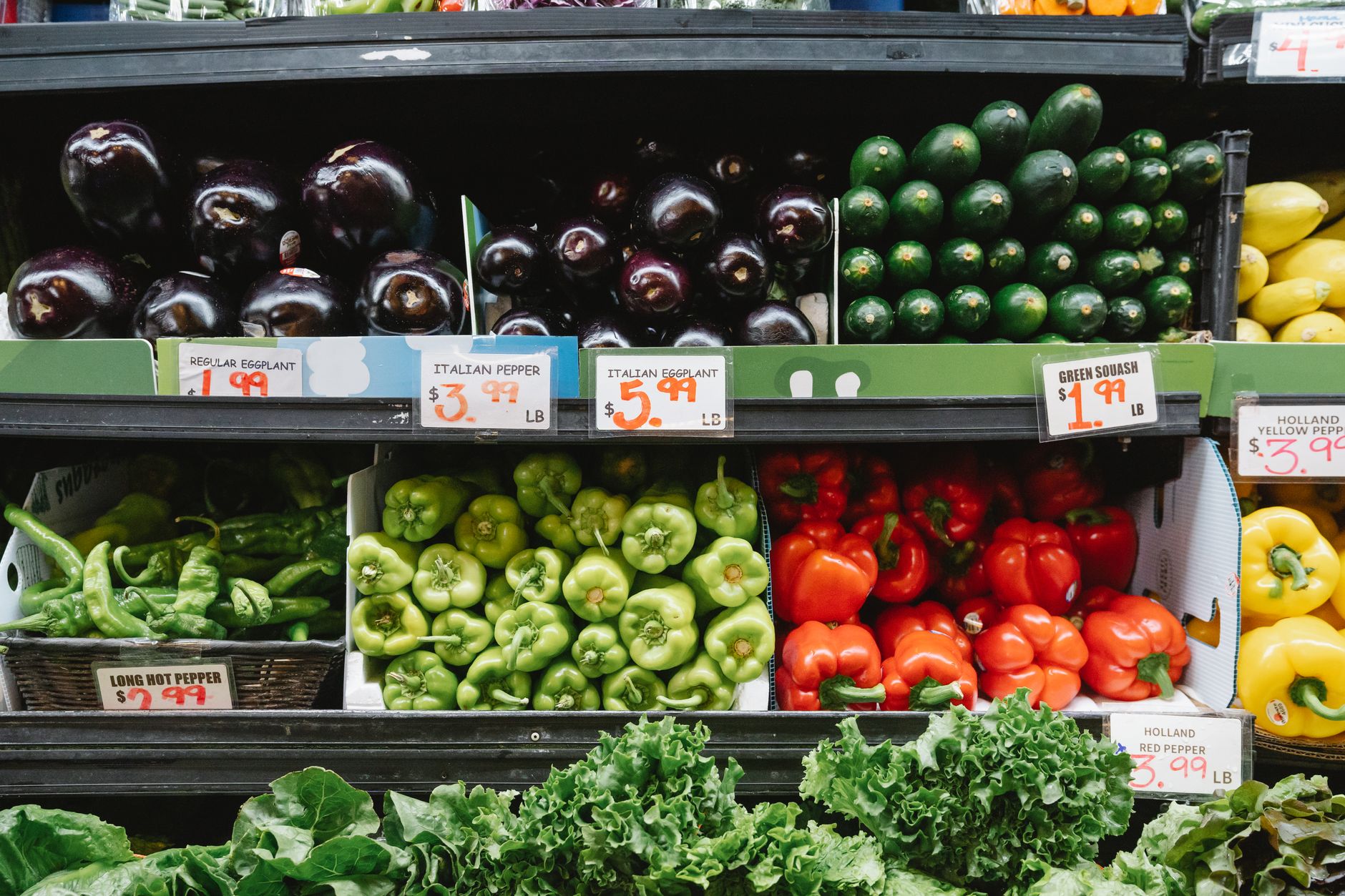
Grocery shoppers are fighting a hidden battle in 2026—and most don’t even know they’re in it. While headlines trumpet “stable” inflation numbers, the real story is shrinkflation 2.0: manufacturers are shrinking package sizes faster than ever, with some cereal boxes down 15% from 2023 and ice cream cartons shedding ounces while keeping the same footprint. The Federal Trade Commission’s March 2026 report on grocery pricing practices confirmed what savvy shoppers suspected—retailers are making unit prices harder to find, smaller to read, and sometimes flat-out wrong. Knowing how to compare unit prices grocery stores would rather you ignore isn’t just a money-saving trick anymore. It’s essential survival gear for your wallet.
Why Unit Prices Matter More Than Ever in 2026
The shelf tag used to be your friend. Not anymore.
Major chains including Kroger, Albertsons, and regional banners have redesigned shelf labels to emphasize “sale” prices and loyalty discounts while shrinking unit price fonts or moving them to awkward positions. Some stores now display unit prices on secondary stickers that peel off or require squinting at the bottom edge of shelf tags.
Here’s what changed: the unit price legally must be displayed, but there’s no federal standard for font size, placement, or calculation method. States have patchwork rules. The result? A 2026 Consumer Federation analysis found 23% of inspected grocery stores had unit pricing errors, with discrepancies favoring higher-margin products 3-to-1.
The math is brutal when you skip unit comparison. That “value pack” of chicken breasts? Often 18-22% more per pound than the smaller tray. The family-size chips bag? Frequently the worst deal on the shelf. Store brands aren’t immune—some use package size confusion to appear cheaper while charging premium unit rates.
The rule: Always calculate cost per unit yourself when the shelf tag looks suspicious, uses unusual measurements, or when comparing across brands using different sizing conventions.
How to Compare Unit Prices Grocery Stores Use Different Calculations
Here’s where shoppers get tripped up. “Unit price” isn’t universal.
Grocery retailers calculate using inconsistent base units. One brand of rice shows price per ounce; another shows price per pound. Paper towels might be per sheet, per roll, or per square foot. Laundry detergent? Per fluid ounce, per load, or per use—three completely different numbers.
Your conversion cheat sheet for 2026:
| When you see | Convert to | The math |
|---|---|---|
| Price per ounce | Price per pound | Multiply by 16 |
| Price per 100 sheets | Price per roll | Multiply by roll’s sheet count, divide by 100 |
| Price per fluid ounce | Price per gallon | Multiply by 128 |
| Price per “use” or “load” | Price per ounce | Check the bottle—“loads” are marketing estimates |
Pro tip: Use your phone’s calculator. Seriously. The 30 seconds of math saves an average of $12-18 per shopping trip according to 2026 basket analyses from Numerator. That’s $600+ annually for typical households.
For bulk bins and deli counters, the unit price on the scale display is your friend—but verify whether it’s showing price per pound or price per half-pound, a trick some seafood counters revived this year.
The Shrinkflation Detection System
Manufacturers hope you won’t notice the 14.5-ounce “pound” of coffee or the 48-ounce “half gallon” of ice cream. Your unit price comparison catches this instantly.
The 2026 shrinkflation watch list:
- Cereal: Standard boxes now 12-14 oz, down from 18 oz in 2022
- Orange juice: “59 oz” jugs replacing true half-gallons (64 oz)
- Yogurt: 4-packs shrinking from 5.3 oz to 4.5 oz cups
- Chips: “Family size” bags dropping from 15.5 oz to 13 oz
- Paper goods: Toilet paper sheets getting shorter and narrower
When you track unit prices over time, shrinkflation becomes obvious. A $4.99 jar of peanut butter was a deal at 18 oz (27.7¢/oz). At 16.3 oz? That’s 30.6¢/oz—an 10.5% hidden price hike.
Action step: Snap photos of unit prices on staples you buy regularly. Build a personal price book in your phone’s notes app. When the unit price jumps without the shelf price changing, you’ve caught shrinkflation red-handed.
Digital Tools vs. Old-School Unit Price Math
Apps promise to automate unit price comparison. Results are mixed.
Barcode scanners (like ShopSavvy or Store-specific apps) pull database pricing, but often show online prices or different store locations—not your exact shelf price. Grocery rebate apps focus on post-purchase rebates, not point-of-decision unit comparison.
The most reliable 2026 tools:
- Your phone’s calculator: Always accurate, always available
- Unit price notebook: Paper or digital log of your 20 most-purchased items
- Store apps with in-aisle pricing: Target, Walmart, and Kroger apps now show unit prices when you scan shelf tags—verify against the physical tag
The hybrid approach that works: Use apps for broad price tracking and sale alerts, but verify unit prices manually in-store. The apps miss regional variations, manager’s specials, and clearance stickers that can make premium brands suddenly cheaper per unit.
One emerging hack: some shoppers photograph entire shelf sections, then compare unit prices at home with a spreadsheet. Overkill for most, but power users report 15-20% additional savings by catching patterns invisible during rushed shopping.
How to Compare Unit Prices Grocery Shopping Across Store Formats
The same product carries radically different unit prices depending where you shop. In 2026, the format matters as much as the brand.
Warehouse clubs (Costco, Sam’s, BJ’s) advertise bulk savings, but unit price analysis reveals surprises. Their Kirkland Signature olive oil runs about 34¢/oz in the 2-liter bottle. The same quality tier at Aldi? 31¢/oz in a smaller bottle. The “bulk savings” evaporate when you account for spoilage risk and storage costs for massive containers.
Dollar stores and extreme discounters increasingly use “price per unit” confusion. A $1.25 can of vegetables seems automatic value—until you check ounces and realize it’s 15.5¢/oz versus 9¢/oz for the standard can at a conventional grocer.
Online grocery pickup/delivery hides unit prices in app interfaces. Amazon Fresh, Instacart, and store delivery apps often require tapping through multiple screens to find unit pricing. The 2026 trend: burying unit prices behind “see more details” dropdowns. Force yourself to expand every item.
The cross-format comparison strategy: For your top 10 staple purchases, check unit prices across three store types monthly. Most shoppers find a split strategy wins—produce and perishables at conventional grocers, shelf-stable staples at discount formats, specific bulk items at warehouse clubs.
Putting It All Together: Your Next Shopping Trip
Walk into your grocery store tomorrow with new eyes. The unit price is there—sometimes hidden, sometimes misleading, but always revealing once you know how to compare unit prices grocery retailers would prefer stayed invisible.
Start with one category. Coffee, cereal, or chicken—whatever you buy most. Spend five extra minutes comparing every unit price in that aisle. The pattern recognition builds fast. You’ll spot the “fake value” packaging, the brand repositioning, the store-brand premium disguised as discount.
The 2026 grocery landscape rewards attention and punishes autopilot. Shrinkflation, confusing unit pricing, and format games aren’t accidents—they’re profit strategies tested in focus groups and deployed at scale. Your counter-strategy is equally systematic: verify every unit price, track your staples, and never trust package size or shelf position to tell you the real deal.
The shoppers winning in 2026 aren’t coupon extremists or bulk hoarders. They’re the ones who paused, pulled out their phone, and did the math the store hopes you won’t bother with. That moment of comparison—every item, every trip—is how you keep hundreds of dollars in your account instead of quietly transferring them to food manufacturers through shrinking packages and hidden price hikes.