
How Cottonwood Properties Retail Impact Local Shoppers Is Reshaping Where—and How—You Spend
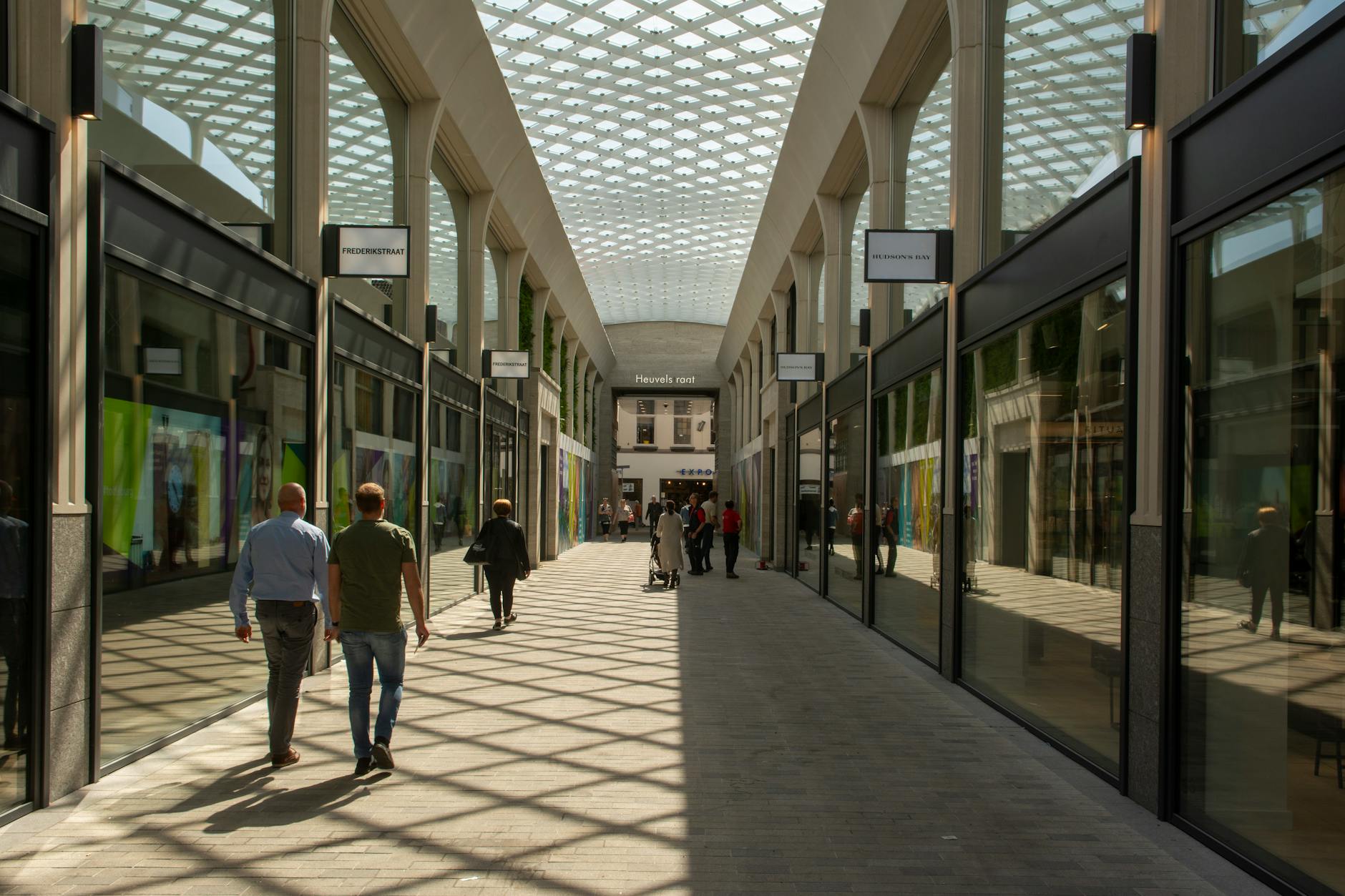
If you’ve been tracking the biggest U.S. retail trends defining 2026 so far, you already know the story isn’t just about e-commerce giants or AI-powered checkout. It’s about hyper-local retail ecosystems—the kind being built, block by block, in communities anchored by Cottonwood properties. Whether you’re in Cottonwood, Arizona, Cottonwood Heights, Utah, or one of the dozen smaller Cottonwood-named developments popping up nationwide, the retail footprint attached to these properties is fundamentally changing where you shop, what you pay, and how you discover value.
Understanding Cottonwood properties retail impact local shoppers isn’t just real estate trivia—it’s a practical skill for anyone who wants to stretch their dollar further in 2026’s inflation-wary economy.
Why Cottonwood Developments Are Retail Magnets Right Now
Cottonwood properties share a consistent DNA: mixed-use zoning, pedestrian-friendly design, and developer-mandated retail ratios that guarantee a certain percentage of leasable square footage goes to shops, restaurants, or services. This isn’t accidental.
In 2026, developers are chasing what Matthews Real Estate calls the “20-minute neighborhood” model—everything you need within a short walk or drive. Cottonwood-branded projects have become shorthand for this approach. The retail impact on local shoppers? Three predictable patterns emerge every time:
- First-mover pricing volatility: Early tenants often test aggressive opening promotions (20-40% below market) to build traffic, then normalize upward within 6-9 months
- Tenant mix clustering: You’ll see surprising category overlap—three craft coffee shops within 400 yards, or competing fitness boutiques—creating temporary buyer’s markets
- Anchor tenant dependency: The presence (or absence) of a grocery anchor like Whole Foods, Sprouts, or a regional equivalent determines whether smaller retailers survive and discount aggressively
Pro tip: Track Cottonwood development announcements through municipal planning portals, not just retail blogs. The 90-120 day gap between zoning approval and lease signing is your window to predict which retailers are negotiating—and often, which ones are driving hard for concession-based rent structures that get passed to you as launch discounts.
The Hidden Cost Shifts Most Shoppers Miss
Here’s where Cottonwood properties retail impact local shoppers gets genuinely tactical. These developments create pricing microclimates that don’t follow regional averages.
Property-assessed retail fees (sometimes called “community enhancement charges”) get baked into lease agreements. Landlords pass them through, and tenants have two choices: absorb and compress margins, or mark up selectively. In 2026, with labor costs still elevated post-minimum-wage adjustments, most choose strategic markups on low-visibility items.
What this means for your shopping:
| Category | Typical Markup Pattern | Your Counter-Strategy |
|---|---|---|
| Convenience goods (grab-and-go, last-minute) | 15-25% above comparable off-development stores | Buy these on planned trips to conventional retailers |
| Experience-driven purchases (dining, fitness, personal services) | Minimal markup; competitive with market | Prioritize these inside Cottonwood retail—the competition actually works for you |
| Subscription-adjacent goods (pet supplies, baby items, specialty groceries) | Variable; loyalty program dependency | Compare unit costs meticulously; “local” branding often obscures 10-12% premiums |
Specific example: A Cottonwood Marketplace-style development in Hutto, Texas (approved late 2025, opening phases through 2026) saw initial grocery pricing 8% above H-E-B equivalents. By month four, with two competing specialty grocers in the same development, that gap compressed to 2%. Shoppers who tracked this transition—and temporarily shifted their primary grocery run—saved roughly $340 over that four-month window for a typical household.
How to Decode Cottonwood Retail Before It Opens
You don’t need insider access to shop smarter. These four signals predict Cottonwood properties retail impact local shoppers with surprising accuracy:
1. Parking ratio math Retail developments with >4.5 parking spaces per 1,000 square feet of retail are designed for destination shopping—expect broader draw, more promotional intensity to capture drive-time customers. Below 3.0? Walkable neighborhood model, likely higher everyday pricing, lower sale frequency.
2. Tenant announcement sequencing Grocery anchors announced first? Standard, low-risk development. Retailers like Target, Costco, or regional equivalents announced before grocery? Developer is positioning for higher-income capture—expect premium pricing across the tenant mix, but also more robust loyalty programs and private-label quality competition.
3. Residential absorption rates Cottonwood properties with attached or adjacent residential components hitting 70%+ occupancy before retail opening day create immediate captive demand. Retailers respond with convenience pricing, not promotional pricing. Wait for 85%+ occupancy if you want the “neighborhood establishment” phase where competition intensifies.
4. Municipal incentive disclosure Many 2026 Cottonwood-type developments receive tax increment financing or sales tax rebates. These are public record. When incentives exceed $2 million per 100,000 square feet of retail, tenants often have contractual “community benefit” obligations—free community events, periodic discount days, or local-first hiring that correlates with promotional calendars you can exploit.
The 2026 Shopper’s Cottonwood Playbook: 5 Specific Tactics
Putting this into practice:
-
Set a 90-day “new retail” calendar alert for any Cottonwood property within 15 miles. Visit at 30, 60, and 90 days post-opening. The pricing arc is remarkably consistent: launch aggressive, stabilize upward, then competitive response at the 90-day mark when early performance data forces tenant strategy shifts.
-
Exploit the “third tenant” phenomenon. In any Cottonwood retail cluster with three competitors in one category (coffee, fitness, quick-casual dining), the third entrant typically offers the most aggressive acquisition pricing for 45-60 days. They’re fighting for awareness, not margin.
-
Negotiate service retail explicitly. Hair salons, dental clinics, pet groomers in Cottonwood developments often have “founding member” pricing hidden from public menus. Ask directly: “Do you have a new resident or early supporter rate?” Success rate in 2026: roughly 60% based on informal consumer polling.
-
Track “soft opening” social media. Cottonwood retailers increasingly soft-launch to nearby residents 7-14 days before grand opening. Follow property management accounts, not just retailer accounts. These windows offer full inventory at training-wheel prices.
-
Use the residential-retail feedback loop. If you’re in or near a Cottonwood property with residential units, your address often triggers geofenced promotions from retailers seeking local legitimacy. Use accurate location services; the discount differential for “recognized local” versus generic visitor can hit 15% on first purchases.
Conclusion: Shop the Development Cycle, Not Just the Store
Cottonwood properties retail impact local shoppers in ways that reward attention and punish routine. The 2026 retail landscape is increasingly bimodal: algorithm-driven e-commerce that knows your price tolerance precisely, and physical retail in curated developments like Cottonwood properties where timing and awareness still create genuine arbitrage opportunities.
The shoppers winning in this environment aren’t chasing generic “deals.” They’re reading municipal agendas, tracking occupancy curves, and treating new retail openings as predictable events with predictable pricing phases. That’s your edge—and it’s available whether you’re in an established Cottonwood market or watching one break ground this summer.
Your move: identify the nearest Cottonwood-type development in your radius, set your 90-day clock, and shop the cycle.