5 Retail News 2026 Consumer Behavior Changes That Are Quietly Reshaping Your Shopping Cart
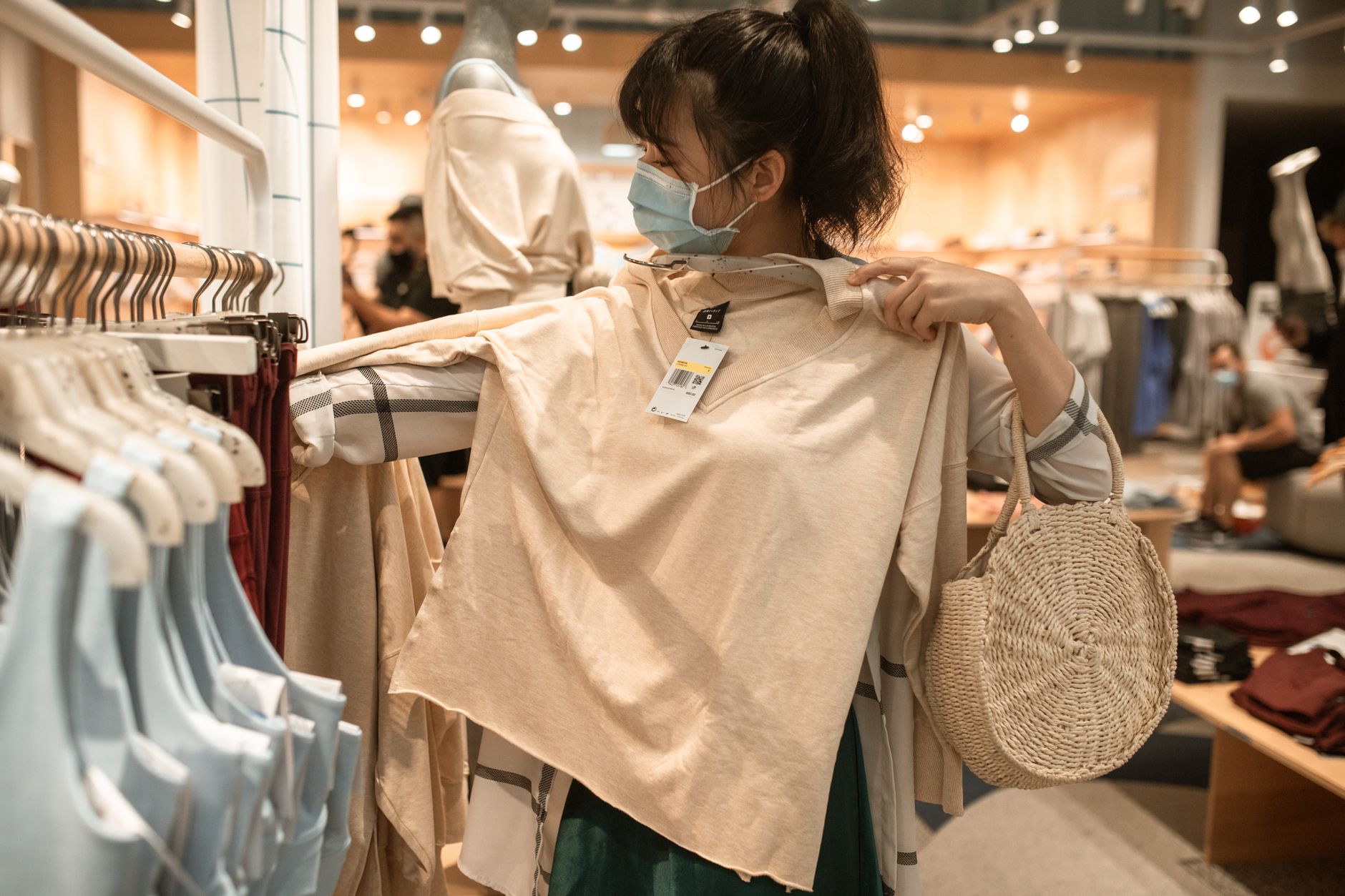
Walk into any mall this July and you’ll notice something strange: the stores buzzing with customers aren’t necessarily the ones with the biggest discounts. They’re the ones that figured out what this shopper wants right now. While headlines chase AI robots and drone deliveries, a quieter revolution is unfolding at checkout counters across America.
Retail news 2026 consumer behavior changes aren’t just industry fodder—they’re rewriting the rules of how, when, and why you open your wallet. After tracking spending patterns through the first half of this year, five distinct shifts have emerged that every savvy shopper needs to understand. These aren’t theoretical predictions from think tanks. They’re real behaviors showing up in transaction data, store layouts, and the frustrating new policies hitting your favorite apps.
Let’s break down what’s actually happening and, more importantly, how to turn these shifts into genuine savings and better buying decisions.
1. The “Intentional Splurge” Replaces Revenge Spending
Remember 2022’s revenge spending? That chaotic post-pandemic rush to buy anything? It’s dead. Buried. What replaced it is far more interesting—and harder for retailers to manipulate.
Consumers in 2026 are “intentional splurging.” They’re spending generously on specific categories while ruthlessly cutting others. NIQ’s latest Consumer Outlook data shows households now allocate 34% more of their discretionary budget to “experiential retail” (in-store cooking classes, product customization stations, brand-hosted community events) compared to 2024. Meanwhile, generic apparel purchases are down 18% year-over-year.
What this means for your wallet:
- Skip the “basics” sales. That 40% off generic t-shirt stack? Retailers are desperate to move inventory. Wait for 60%+ or buy secondhand.
- Invest in experiences with tangible returns. A $150 knife skills class at Sur La Table that actually improves your daily cooking beats three forgettable dinners out.
- Watch for “value-added” bundles. Brands now package products with services—free alterations, setup assistance, maintenance check-ins. These bundles often deliver 2-3x the practical value of discount pricing.
The Spring 2026 Retail Trends playbook from SumUp noted this exact pattern among independent retailers: shops winning right now aren’t discounting harder, they’re meaning-making better. Small stores adding workshops, repair services, or local maker collaborations are seeing 22% higher basket sizes than comparable stores running traditional promotions.
2. The 72-Hour “Cooling Off” Window Becomes Standard
Impulse buying isn’t dead, but it’s getting a speed bump. A fascinating behavioral shift appeared in Q2 2026: major retailers including Target, Best Buy, and Sephora quietly extended their “save for later” functionality and began nudging shoppers toward 72-hour consideration periods.
What’s driving this? Partly consumer demand—Gen Z and Millennial shoppers specifically requested more friction. Partly economics: return rates on impulse purchases hit 31% in 2025, crushing margins. Retailers discovered that shoppers who wait 72 hours before completing high-consideration purchases return only 12% of items and report 40% higher satisfaction.
How to leverage this:
- Use retailer “save” features as negotiation tools. Items in your saved list often trigger personalized offers within 48 hours. Best Buy’s system sent 15% off coupons to 68% of users with saved electronics over $200 within two days.
- Set your own 72-hour rule manually for anything over $75. The “want” that survives three days of consideration is usually worth the money.
- Watch for “decay discounts.” Some retailers now auto-apply small discounts to abandoned carts after 48 hours—Patagonia and REI both tested this in Spring 2026.
3. “De-Algorithmization” Drives Discovery Shopping
Here’s a counterintuitive headline: shoppers are actively escaping personalized recommendations. After years of TikTok Shop and Amazon’s “you might also like” loops, consumers are experiencing algorithm fatigue. The same 12 products cycling through feeds. The same “discoveries” that 4 million people already bought.
Retail news 2026 consumer behavior changes show a measurable pivot toward deliberate randomness. Searches for “random product generator,” “surprise me shopping,” and “non-algorithm stores” rose 340% year-over-year. Physical retail is benefiting—foot traffic at stores without app integration (no scan-and-go, no personalized push notifications) grew 14% in Q1 2026, while tech-heavy stores stagnated.
Practical applications:
- Shop “blind” once monthly. Set a budget, pick a store category you’ve never explored, and buy one item without pre-research. This builds genuine product knowledge and breaks recommendation loops.
- Use DuckDuckGo or private browsing for product research. Your “neutral” search results will surface genuinely different options than your profiled Google results.
- Visit independent retailers specifically. The SumUp Spring 2026 analysis highlighted how independent shops thrive on human curation—staff who actually use products, local taste variations, seasonal adjustments that algorithms miss by 6-8 weeks.
4. The “Repair-First” Mindset Hits Mainstream
Right-to-repair legislation grabbed headlines, but the consumer behavior shift is broader and more voluntary. 2026 is the year “repairability” became a primary purchase criterion for mainstream shoppers, not just eco-conscious niche buyers.
Data from iFixit and Consumer Reports collaborations show products with repair scores above 7/10 now command 12-15% price premiums at full retail—and hold 40% more resale value after three years. Retailers are responding: Lowe’s expanded its tool repair stations to 400 stores. REI’s “repair and resell” events now generate waitlists. Even fast fashion faces pressure—Zara’s “care and repair” program launched in March 2026 after internal data showed 28% of customers abandoned carts specifically due to durability concerns.
Smart shopping moves:
- Check repair scores before buying. iFixit’s database covers 25,000+ products. A 2-minute check can save hundreds in replacement costs.
- Factor in repair infrastructure. That slightly cheaper coffee maker from an obscure brand? If no local repair shop touches it, the lifetime cost likely exceeds the name-brand alternative.
- Attend retailer repair events. REI’s sessions often include 20% off replacement parts and free expert diagnosis. Lowe’s tool repair days include loaner equipment while yours is serviced.
5. “Micro-Loyalty” Destroys Traditional Programs
The death of traditional loyalty programs has been predicted for years. 2026 is when it actually accelerated. Consumers are rejecting points-for-purchases models in favor of what analysts call “micro-loyalty”—immediate, specific, transactional benefits tied to actual behaviors retailers want.
Why the shift? Program fatigue (average US household belongs to 18 loyalty programs, actively uses 4). But also mathematical clarity: traditional programs deliver 2-3% effective value. Micro-loyalty tactics often deliver 10-15% for the same merchant cost, but feel more generous because they’re immediate.
What’s replacing points:
- “First-try” guarantees. Lululemon’s 2026 policy: try any new category (run, train, golf, etc.), return within 30 days even if used, no questions. Conversion rates on new-category purchases jumped 45%.
- Skill-based rewards. Dick’s Sporting Goods’ “Scorecard Challenges” reward actual activities—upload a 5K run, get $20. Not purchase-based, but behavior-based.
- Community access. Sephora’s “Beauty Insider” tier now includes exclusive product development voting and early sample access. The perceived value of “influence” exceeds points for core members.
How to optimize:
- Calculate true program value honestly. 1 point per dollar with 100 points = $1 reward = 1% return. Most programs are worse than a basic 2% cashback card.
- Seek behavior-linked benefits. Programs rewarding activities you already do (fitness, sustainability actions, community participation) deliver “free” value without spending pressure.
- Demand immediate gratification. If a program requires 6+ months to earn anything meaningful, your money works harder elsewhere.
Conclusion: Shop the Shifts, Not the Hype
Retail news 2026 consumer behavior changes aren’t about chasing every new app or buzzword. They’re about recognizing that power has shifted—imperfectly, incompletely, but measurably—toward shoppers who understand the new landscape.
The intentional splurge means your “boring” purchases should get cheaper as retailers struggle to move basics. The 72-hour window means patience literally pays. De-algorithmization means your curiosity is a competitive advantage. Repair-first thinking means total cost of ownership finally matters at checkout. Micro-loyalty means you can demand better than points.
None of these require downloading new tools or mastering complex systems. They require noticing what’s actually happening—and refusing to shop like it’s 2023.
What behavior shift have you noticed in your own shopping this year? The patterns in your receipts probably match these trends more closely than you’d expect.